“We Don’t Inflate Our Numbers”: CEA Nageswaran Defends India’s GDP Data Amid Growing Scrutiny
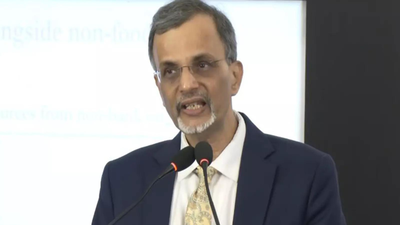
As questions swirl around the reliability of India’s economic data, Chief Economic Adviser V Anantha Nageswaran has come out firmly in defence of the country’s GDP statistics, insisting that India doesn’t manipulate methodology or base years to inflate growth numbers.
“GDP Is an Estimate — Everywhere”
Speaking to ANI, Nageswaran addressed concerns raised by economists head-on. “GDP is an estimate. No country can pretend that they have an accurate way of measuring the GDP,” he said, pointing out that India simply follows globally accepted statistical practices like everyone else.
The Rebasing Argument
Interestingly, Nageswaran used India’s recent GDP rebasing exercise itself as evidence of good faith. “If they had said Indian GDP was no longer 354 lakh crores but 384 lakh crores, people would have accepted that. That is what many countries do. In fact, we are the only country which brought it down,” he explained.
His point? If India wanted to inflate numbers, this was the perfect opportunity — and it didn’t. “So we are not trying to use any of these methodological changes to bump up our numbers,” he added.
“Let the Statistics Speak for Themselves”
According to Nageswaran, India’s approach is rooted in transparency, not narrative-building. “We produce reliable statistics. We follow internationally accepted methods, and we don’t use GDP methodological revisions to bump up numbers artificially,” he said.
On criticism from bodies like the IMF, he clarified that concerns were about methodology, not credibility. “IMF, for example, they only questioned us not on the reliability, but on the fact that some of the methodologies need improvement,” he said, noting those upgrades have already been made.
A Question of Trust — or Expectations?
Nageswaran didn’t hold back when addressing the broader criticism, suggesting it often reflects disappointment rather than genuine data concerns. “The problem with some of these critiques is that if the number doesn’t meet their expectations, then they are willing to call it, ‘I don’t have trust in that number,'” he said.
He pointed to the pandemic as a telling example — when GDP fell 25% in Q1 2020-21, nobody questioned its accuracy. “If the statistics doesn’t confirm my belief or wish that the Indian economy is actually in a bad state, then the statistics are unreliable. I find this inconsistency difficult to accept,” he said.
A candid, no-nonsense defence — reaffirming that behind India’s GDP numbers lies process, not politics.